
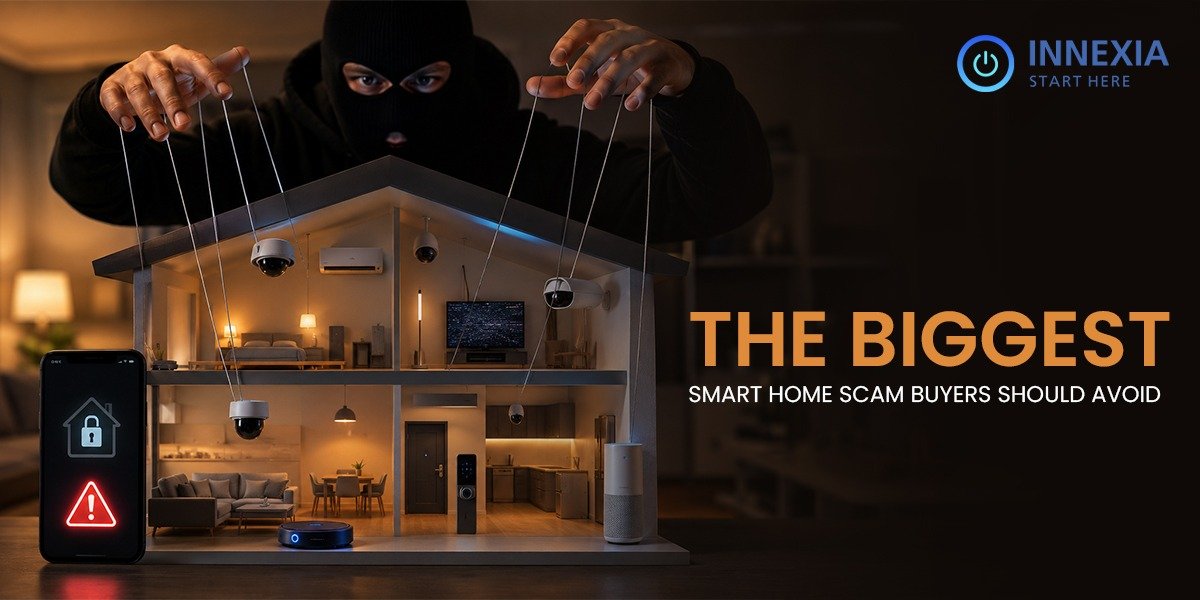
India’s smart home market is booming. The smart home market in India generated a revenue of USD 5,036 million in 2023 and is expected to reach USD 30,575 million by 2030, growing at a CAGR of 29.4%. More families are investing in home automation systems, connected devices, and app-controlled living than ever before. And right alongside that growth? A wave of shortcuts, fake promises, and outright bad products that are quietly eating into people’s budgets and trust.
If you are thinking about building a smart home ecosystem, this is the conversation nobody is having loudly enough.
The “Cheap and Compatible” Trap
Walk into any online marketplace today and you will find hundreds of smart home devices at prices that seem too good to be true. Questionable low-cost switches, Wi-Fi relays and automations are being sold en masse by untrustworthy vendors. It’s always the same pitch, always works with Alexa, always works with Google, always works with anything.
The reality? The majority of them don’t have any local support, no warranty to claim, and their functionality will be lost as soon as the manufacturer removes their app or server. You end up with dead hardware and no one to call. That is not a smart home investment. That is an expensive mistake dressed up in packaging.
The biggest red flag to watch for: no after-sales service address, no local installation support, and customer care that is a WhatsApp number.
The “Rewiring Required” Scam
Some smart home installation companies quote you a number upfront, then multiply it three times once the work begins. Hidden costs around rewiring, panel upgrades, and “compatibility fixes” are the oldest trick in the book. If a vendor tells you their system needs your entire electrical infrastructure to be torn apart before they can begin, walk away.
A genuinely good wireless home automation system works with your existing wiring. Retrofit technology exists precisely for this reason. No walls broken, no panels replaced, no chaos in your home for weeks. If someone is pushing you toward a full rewiring job as a prerequisite, they are either overselling or underqualified.
The Ecosystem Lock-In
This one is subtle and hits you much later. You buy into a brand. All of the lights, locks, sensors, etc. All the elements are in harmony. Then the brand stops filling in its hub or starts to be acquired, or simply does not update its app for your area.
Suddenly your entire smart home technology setup is stranded on an island. Devices that can’t communicate with new devices you want to connect. App that crashes on updated phones. Support that has quietly disappeared.
A reliable smart home system is founded on open protocols or, at the very least, provides you with a very clear idea of future support for the product and the availability of local servers. Don’t assume, ask first a full ecosystem.
The “Smart” Label on Dumb Products
This is the hot one these days. A standard timer switch remounted as a “Smart Switch”. An entry-level infrared remote blaster that is marketed as a “home automation controller. Products that are truly part of a smart home ecosystem but are not in fact smart, with no integration, no logic, and no intelligence.
Smart goes beyond just phone remote control. A truly intelligent home automation system borrows patterns, enables you to create scenes, can be used across devices and provides you with true control. If a device can only be switched on or off from your phone, then it’s remote control. Not home automation.
Ask the right questions before buying. Can this device trigger other devices? Can I create schedules and scenes? Does it work without internet if my router goes down?
The Security Blind Spot
Counterfeit smart home products often lack essential security features, leaving your home network vulnerable to attacks. Many buyers focus entirely on features and price and completely skip asking about data security. Who has access to your home’s device data? Where is it stored? What happens if the company’s servers are breached?
Home automation security is not a bonus feature. It is foundational. A smart lock that can be accessed by anyone who gets hold of the vendor’s credentials is not a security upgrade. It is a liability. Always buy from brands that are transparent about their encryption standards and data practices.
What a Genuine Smart Home Investment Looks Like
As you’re about to sign or order, check this smart home checklist.
First, check if the company offers a physical location, installation assistance, and a warranty that is actually honored. Second, do ask specifically if the system is a retrofit or rewiring. Thirdly, be aware of the ecosystem, whether it is open, can make a connection with other brands, and what occurs if the company fails? Fourth, ask for the cost of home automation, not just the cost of the hardware. All costs for installation, maintenance, app subscriptions, and support should be discussed in the initial stages. Fifth, look to see if the product is actually automated or is a smart label on a remote-controlled machine.
Smart home technology trends in India truly are interesting. The technology is real and it works, with voice control and AI-driven scenes and energy monitoring and security integrations. However, the market is also noisy, and not everyone that’s selling in this area is even trustworthy or worthy of your dollars.
Conclusion
Before putting all the pieces in place to build your connected home, take your time to ask some tough questions and purchase from those who have definitive answers. No company you know will ignore a direct question about the functionality of your product, the people who support it, and what it will do if it fails.
Your home deserves better than a cheap experiment. Invest in a smart home solution that is built to last, built for India, and built with real support behind it.
Explore Innexia’s smart home solutions to see what genuine home automation looks like, no gimmicks, no hidden costs, and no rewiring required.